Most people think about a second home as a cost. A place that sits empty eleven months of the year, accrues maintenance bills, and justifies itself purely on the weekends the family actually uses it. That framing is why most second homes in Pakistan are bought emotionally and regretted financially. A second home investment Pakistan only makes sense when the property does two jobs at once: serving as the family’s retreat when they want it, and earning rental income through the months they do not.
That dual role is exactly what a managed mountain property in Galiyat is built to deliver. The same villa that hosts a family in August earns tourist rental in the surrounding season. The lifestyle case and the financial case stop competing and start reinforcing each other. This guide lays out both sides honestly, the numbers a buyer should run, and why the Changla Gali belt has become the location where a second home pays for the privilege of owning it.
What Makes a Second Home a Genuine Investment Rather Than a Cost?
A second home becomes a genuine second home investment in Pakistan when it earns rental income during the periods the owner is not using it, rather than sitting idle as a pure expense. The deciding factors are location in a rental-demand market, a professional management structure, and an honest split between personal-use weeks and income-earning weeks. Without those, a second home is a holiday cost. With them, it is an appreciating asset that funds its own upkeep.
The difference is not subtle. A holiday flat in a city or a plot in a far-flung scheme earns nothing while the family is away. It loses money every month to maintenance and opportunity costs. The owner is effectively paying for the right to use it occasionally, and the asset’s appreciation has to outrun those holding costs just to break even.
A second home that earns flips that equation. The family still uses it. But for the weeks it would otherwise stand empty, it is generating nightly rental income that covers maintenance, offsets instalments, and in a strong market produces a real return. The property is no longer a line item on the expense side. It is on the income side, while still being available for the family whenever they want it.
The factor most buyers underestimate is management. A second home cannot earn passively unless someone other than the owner handles bookings, cleaning, guest turnover, and upkeep. A lifestyle property without a management structure behind it does not earn. It just sits. The investment case depends entirely on the property being inside a managed model.
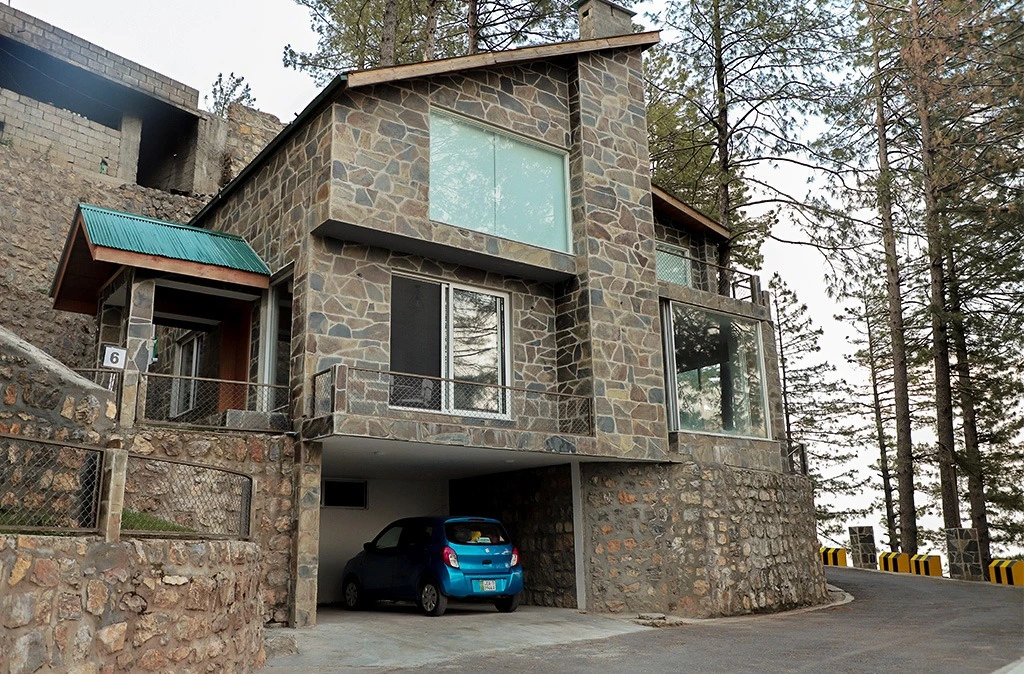
The Lifestyle Case: Why Families Choose Galiyat for a Second Home
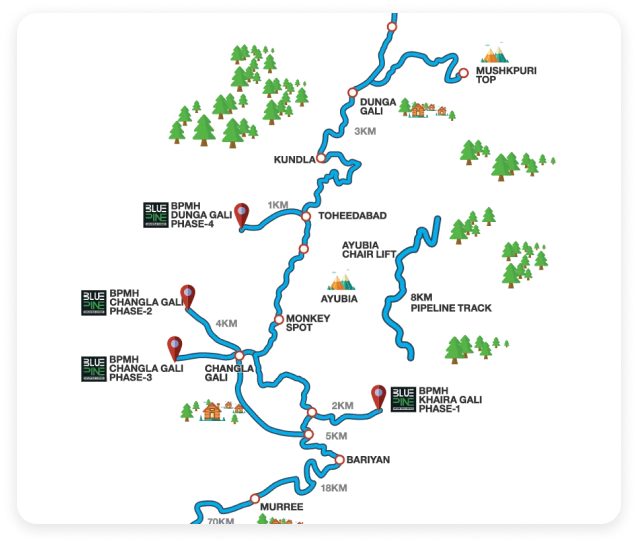
The lifestyle reason a family buys in Galiyat is straightforward: it offers a genuine escape from the heat and pace of Lahore, Islamabad, and Karachi, within a half-day’s drive. The region sits 80 to 95 kilometres from Islamabad, which means a capital-based family can be at the property in a few hours rather than treating every visit as a major expedition.
Elevation is the heart of the appeal. The Changla Gali belt sits at 6,400 to 6,800 feet, high enough that summer temperatures stay mild while the plains bake. Pine forest, mountain views, and clean air are not marketing language here. They are the practical reasons families return to the same hills every summer, and increasingly, the reason they want to own rather than rent.
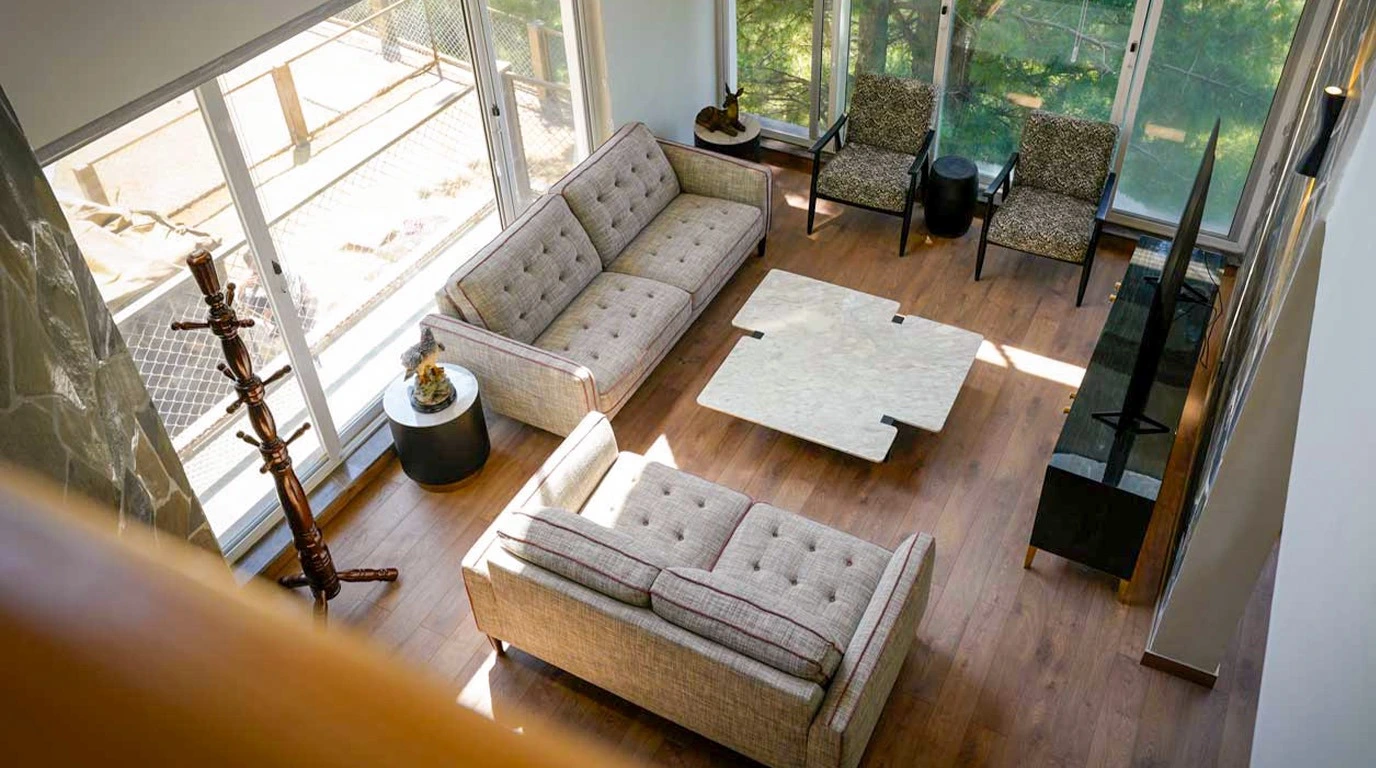
A second home also changes how a family uses its time. Instead of booking a hotel for a fixed few nights, the family has a base they can reach on a long weekend, over Eid, through the school holidays, or whenever the city becomes too much. Children grow up with a place in the mountains. Bonfires on the lawn, BBQ gatherings, and the slow pace of a forested evening become a family routine rather than an annual treat.
For overseas families, the lifestyle case carries extra weight. A second home in Galiyat is a reason to return, a base for the trip home, and a tangible connection to Pakistan that a bank balance is not. It is the place the family gathers when they fly back, rather than a hotel they check into.
The Financial Case for Second Home Investment Pakistan
The financial case rests on a single idea: the weeks the family does not use the property should not be wasted. Across a Galiyat tourist season that runs 100 to 130 days a year, a managed villa can earn nightly tourist rates that monthly residential rent cannot approach. The property works hardest precisely when the family is least likely to be there.
The numbers a buyer should run start with the purchase basis. Verified managed homes in the Changla Gali developments are priced at PKR 40,000 per square foot, with land ownership secured at 40 percent down and the built structure included inside a serviced, secured community. That is the entry figure against which all returns are measured.
The operating model defines the split. Under a 60:40 revenue-share arrangement, the owner receives 60 percent of rental proceeds while the operator retains 40 percent to cover service and maintenance. The owner does not manage guests or repairs. That share is what makes the income compatible with a family that wants to use the home themselves and earn from it the rest of the time.
The realised return closes the case. Owners of delivered Galiyat projects have been documented earning 10 to 12 percent annually, with peak-season rental reaching up to PKR 150,000 per day. In Phase 1, Khaira Gali, the first Blue Pine Mountain Homes development, supported capital recovery within five to six years under active rental management. A second home that recovers its purchase price within five to six years, while remaining available to the family throughout, is an asset doing two jobs at full strength rather than one job badly.
How to Balance Personal Use and Rental Income
The honest question every second-home buyer asks is whether they have to choose between using the property and earning from it. The answer is no, but the balance has to be planned. A managed second home works best when the owner reserves the weeks they genuinely want and releases the rest into the rental pool.
In practice, families tend to want the property during peak summer and major holidays. Those are also the highest-earning rental weeks. A buyer focused purely on income would release every peak week. A buyer focused purely on lifestyle would block them all. Most owners settle in between: holding a defined block of personal-use weeks and letting the operator earn from the remainder.
This is where a clear management agreement matters. The 60:40 model and a booking calendar that the owner controls in advance let the family plan their own use without disrupting the rental operation. The property is neither a holiday home nor an investment in a given year. It is both, in a ratio the owner sets.
The off-season is the other half of the balance. Tourist demand concentrates in the warmer months, which happens to be when families most want to visit. The result is that personal use and rental demand do not collide as badly as buyers fear. A family using the home in the deep off-season is using weeks that would have earned little anyway, while the high-demand weeks they release are the ones that drive the annual return.
Where the Second Home and the Investment Become the Same Asset in Changla Gali
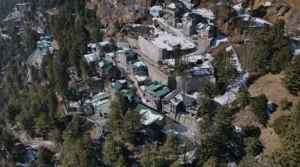
The location that makes both cases work at once is Changla Gali. It holds the elevation and the views that families want, sits within easy reach of Islamabad, and carries the legal standing and management structure that the investment case requires. This is the point where the lifestyle property and the income asset stop being a trade-off and become a single decision.
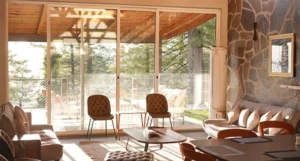
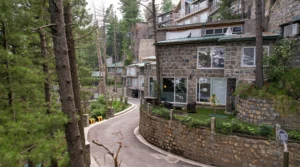
The Blue Pine Mountain Homes Changla Gali developments are built for exactly this dual role. Phase 2 Changla Gali offers 3 and 4-bedroom designer homes inside a GDA-approved, serviced community, the kind of villa a family is happy to holiday in and a tourist is willing to pay a premium to rent. The proof of the model sits one phase back: Phase 1 Khaira Gali is fully delivered and 100 percent sold, with all 33 villas handed over and operating in the rental pool. Changla Gali is the active continuation of a model that has already been proven to deliver both the lifestyle and the return.
The community standard is what ties it together. Continuous power and water, on-site security, managed maintenance, and amenities including a fine dining restaurant and gym mean the property is comfortable for a family and credible for a paying guest. A buyer in Changla Gali is not choosing between a home they enjoy and an asset that earns. The same villa, in the same managed community, does both, which is the entire point of a second home that is also an investment.
Is a second home a good investment in Pakistan?
A second home is a good investment in Pakistan when it earns rental income during the periods the owner is not using it, rather than sitting empty as a pure cost. A managed mountain property in a tourist-demand market like Galiyat can return 10 to 12 per cent annually while remaining available to the family, which turns a holiday home from an expense into an asset that funds its own upkeep and appreciates over time.
Can you use a second home and rent it out at the same time?
Yes. A managed second home lets the owner reserve the weeks they want to use personally and release the rest into the rental pool. Family demand concentrates in peak summer and holidays, and a booking calendar that the owner controls in advance lets personal use and rental income coexist. Most owners hold a block of personal-use weeks and let the operator earn from the remainder under a defined revenue-share agreement.
How much does a second home in Galiyat cost to buy?
Verified managed homes in the Changla Gali developments are priced at PKR 40,000 per square foot, with land ownership secured at 40 percent down and the balance paid across an instalment period. The price includes a built structure within a serviced, secure community rather than a bare plot, and the property enters a managed rental pool that has supported 10 to 12 per cent annual returns in delivered Galiyat projects.
What This Means for a Second Home Buyer
A second home investment in Pakistan does not have to be a choice between the heart and the spreadsheet. The old model, where a holiday property is a pure cost justified by the weekends it gets used, is the reason so many second homes disappoint financially. A managed mountain villa breaks that model by doing two jobs from the same asset.
The case rests on factors a buyer can check before committing. Galiyat offers a lifestyle, 80 to 95 kilometres from Islamabad at 6,400 to 6,800 feet. The 60:40 management model assigns the work to an operator and the majority of the income to the owner. The purchase basis is PKR 40,000 per square foot with land secured at 40 percent down. And a delivered, sold-out first phase proves the dual model produces both real use and real return. In Changla Gali, the second home and the investment are the same villa.
Phase 2 Changla Gali Is Active. Secure a Second Home That Earns Both Ways Before the Next Season
Phase 1 Khaira Gali is 100 percent sold and fully delivered, with all 33 villas built, handed over, and operating in the rental pool. Phase 2 villas in Changla Gali are 40 percent sold. Phase 3 villas are 80 percent sold, and apartments are at the halfway mark. Both active phases are GDA-approved and built by the same developer that delivered Phase 1 in full, within communities designed for family use and tourist rental simultaneously.
Explore Blue Pine Mountain Homes at www.bluepinemh.com
Call: 0322 2226656
WhatsApp: +92 322 2260044
Schedule a call: https://calendly.com/bluepinemh/30min