If you have been searching for vacation homes in Murree, you already know the appeal. The drive up from Islamabad, the temperature drops as the road climbs, and the first view of pine slopes from the motorway. That pull is real, but buyers who have spent time comparing options are increasingly asking a question that changes the outcome: is Murree actually the destination, or is it simply the first name that comes to mind?
This blog works through the geography, the ownership conditions, and the investment logic behind that question. The answer does not dismiss Murree. It explains what the Murree experience actually delivers, and why buyers with a longer time horizon often find that the hills continue well beyond it.
What Murree Offers and What the Search Volume Tells You
Murree is a legitimate hill station. At roughly 7,500 feet on the ridge, it sits above Islamabad in every sense, cooler in summer, heavily visited in winter, and deeply embedded in the mental geography of anyone who grew up in the Punjab or Islamabad region. The search volume for vacation homes in Murree reflects that familiarity. It is one of the most searched property terms in the north of Pakistan.
That familiarity is also a constraint. Murree has been a destination for over 150 years. Its infrastructure was not designed for the volume it now receives. The Mall Road, the main market areas, and the Pindi Point corridor all carry tourist density that peaks in school holidays and long weekends at levels the road system was not built to manage.
Murree for Visitors Versus Murree for Owners
A visitor experiences Murree over two or three days. The congestion is part of the texture, the activity, the bazaar, the noise. An owner experiences it differently. When the long weekends arrive, and the road from Pindi becomes a standstill, the owner with a property on or near the main corridor cannot exit, cannot have supplies delivered efficiently, and watches the experience they purchased become something close to its opposite.
This distinction between visiting a hill station and owning one is where the Murree market most consistently disappoints buyers who did not account for it. The property looks right in the photographs. The first weekend visit confirms the feeling. The fifteenth visit, arriving by car on a public holiday, produces a different assessment.
The search phrase mountain vacation home ownership captures this shift precisely. The buyer is no longer thinking about a destination. They are thinking about sustained value, a place that works for the owner, not just the first-time visitor.
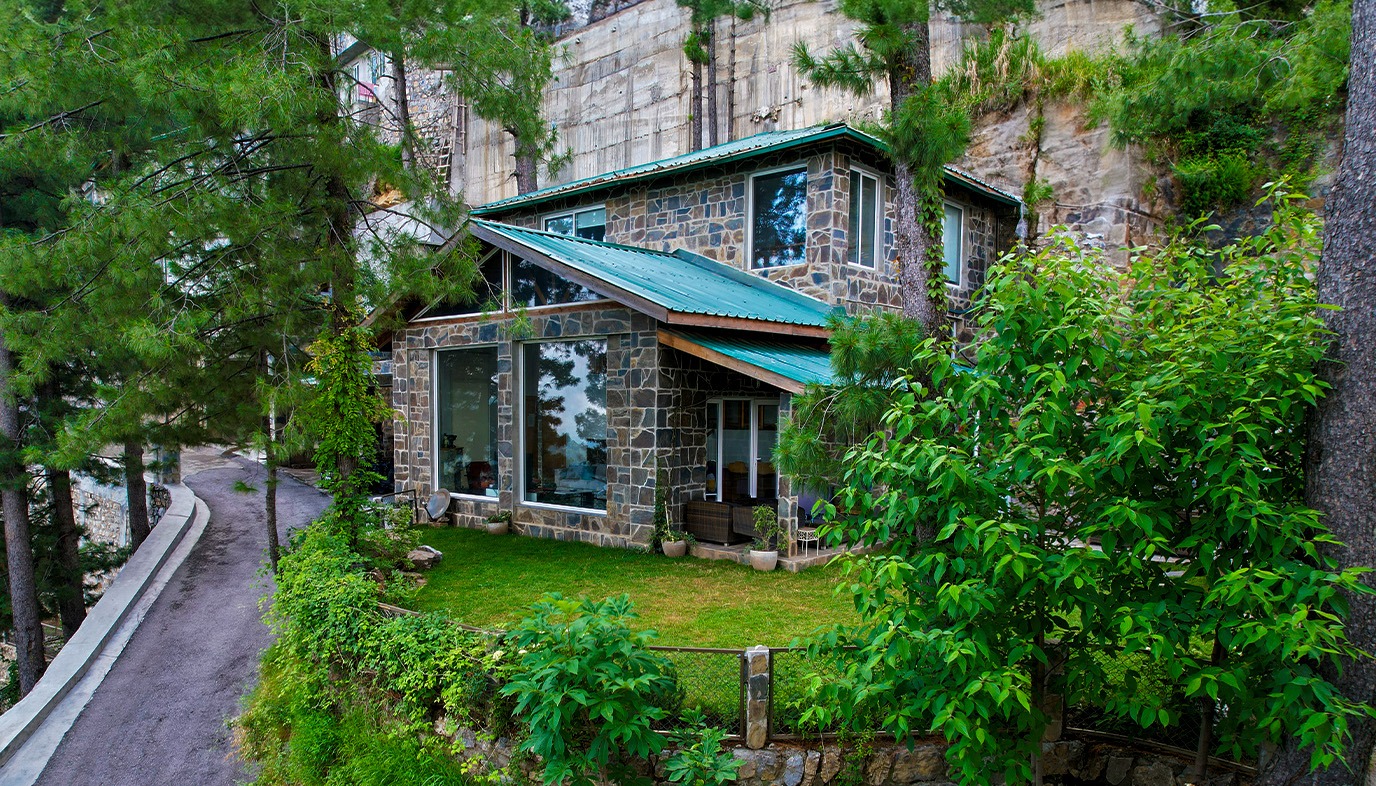
Murree Vs Galiyat: The Geographic and Lifestyle Argument
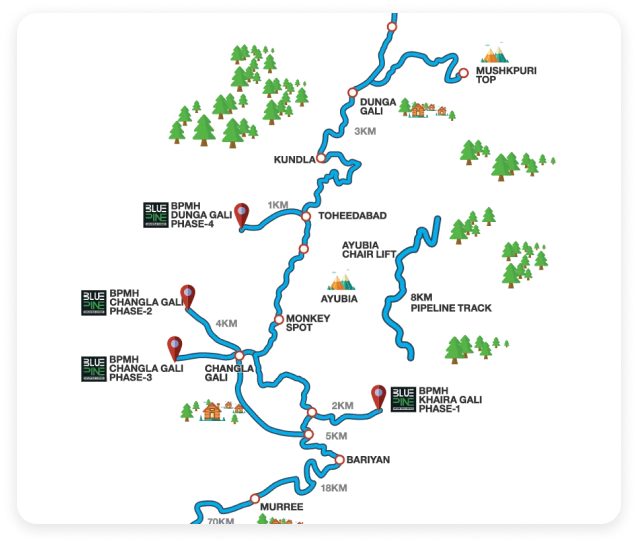
Galiyat is the name for the chain of hill towns that runs through the KPK section of the hills above Abbottabad and Mansehra. It includes Nathia Gali, Ayubia, Dunga Gali, Khaira Gali, and Changla Gali, among others. The road from Islamabad reaches this belt via Murree and continues past it, or branches through the Abbottabad approach from the Hazara Motorway.
The distinction matters for several reasons that buyers comparing hill station property locations consistently identify:
Talking about the tourist traffic concentration. Murree absorbs a disproportionate share of the weekend visitor volume from Rawalpindi and Islamabad. The Galiyat belt, particularly from Khaira Gali through Changla Gali, sits beyond the primary tourist pressure point. It is accessible but not saturated.
According to the regulatory environment. Galiyat falls under the jurisdiction of the Galiyat Development Authority, which manages land use, construction approvals, and development standards across the KPK hill corridor. GDA-approved developments carry an enforceable legal framework that translates into cleaner ownership conditions than many comparable projects elsewhere in the hills.
About the elevation and environment. Changla Gali sits at approximately 8,600 feet. At this elevation, the temperature differential compared to Islamabad in peak summer runs to 15 to 18 degrees Celsius. The pine coverage at this height is denser and better preserved than at lower Murree elevations, where development pressure and tourist infrastructure have reduced green cover considerably.
Drive Time From Islamabad: The Actual Comparison
Buyers comparing Galiyat vs Murree property location on a practical basis often ask about drive time. The answer varies by route and traffic, but as a baseline, Murree from Islamabad is approximately 60 to 70 kilometres via the main road, reaching the town centre in 90 minutes under normal conditions and considerably longer during peak periods. Changla Gali from Islamabad via the Abbottabad Motorway and Havelian interchange is approximately 90 to 100 kilometres, with a drive time of roughly 100 to 120 minutes under normal conditions.
The additional 30 to 40 minutes matter less than how those minutes are spent. The Galiyat route via the Hazara Motorway is largely controlled-access until the Abbottabad cutoff, meaning the additional distance is covered at speed rather than in the congestion that characterises the approach to Murree from Taxila and Murree Road.
What the Galiyat Location Means for Property Value
When buyers reach the calculation stage, moving from where to how much, the differences between Murree and the Galiyat belt become quantifiable. The per square foot rate in Murree for property on or near the main tourism corridor reflects both demand and the complications that come with older infrastructure, steeper slopes, and constrained land supply in an already built environment. In many areas of central Murree, what a buyer pays for is location name recognition rather than the physical asset.
In the Galiyat belt, specifically in the Khaira Gali, Changla Gali, and Dunga Gali corridor, the per sqft Galiyat rate reflects a different equation. Land is less constrained. Developments can be designed to a standard rather than retrofitted around existing structures. GDA-approved projects in this corridor come with verified building maps, confirmed environmental clearances, and registry transfer processes that align with KPK Land Revenue Department requirements.
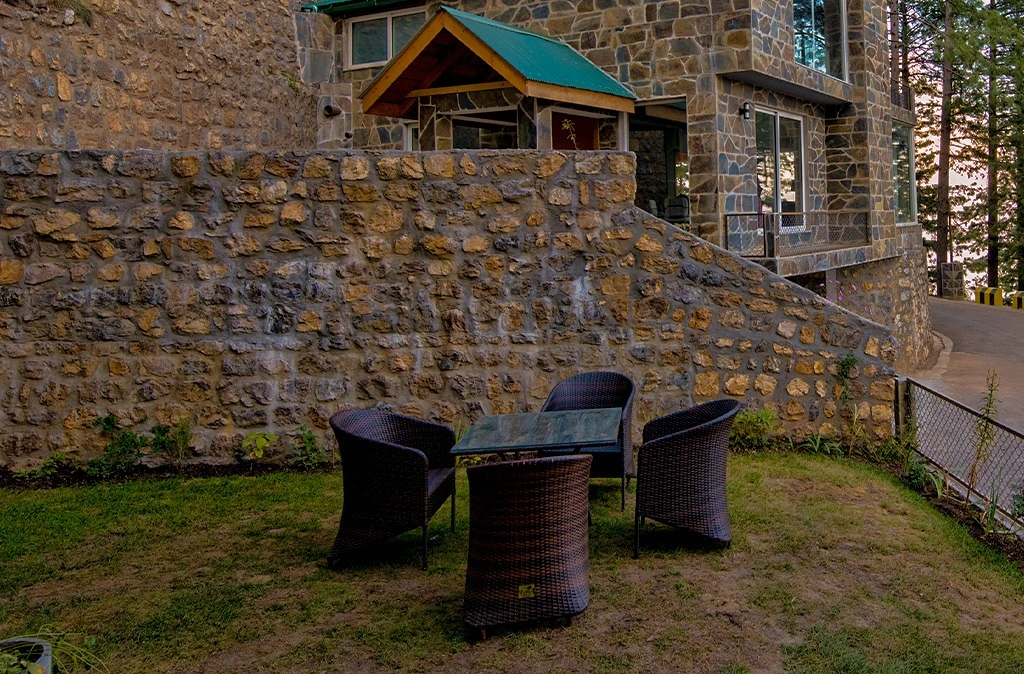
Changla Gali: What a Verified Location Looks Like
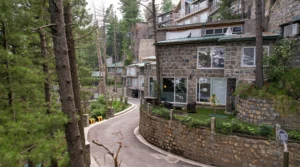
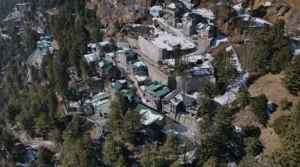
Among the GDA-approved developments in this elevation range, Blue Pine Mountain Homes location places the project directly within the Changla Gali footprint. Phase 2 and Phase 4 sit in this corridor, within the range that delivers the elevation, the pine coverage, and the access conditions that the geographic comparison in the previous sections describes.
For a buyer who has been evaluating vacation home location on the basis of congestion risk, ownership clarity, and long-term environmental value, Changla Gali at this elevation resolves most of the variables that Murree leaves open. The tourist volume that makes Murree attractive in photographs is precisely what creates the ownership friction described earlier. At Changla Gali, the density is lower, the approach road is cleaner, and the infrastructure beneath the project is designed rather than inherited.
The Blue Pine Mountain Homes location within this corridor also matters in a specific regulatory sense. The development carries GDA approval, registered building maps, and FBR registration. These are not incidental details. They are the legal framework that makes ownership transferable, mortgage-eligible in principle, and clear enough to sell without dispute.
Why the Location Decision Comes Before Everything Else
A buyer who finalises location first has a much cleaner path through every subsequent decision. Payment plan, unit type, rental potential, and resale value are all downstream of the location choice. A unit in the wrong location with excellent payment terms is still a unit in the wrong location.
The geographic argument in this blog reaches the same conclusion through two different paths. The congestion analysis says: Murree’s density is a property-use problem, not a marketing asset. The regulatory analysis says: GDA-approved land in a KPK-administered corridor delivers ownership conditions that most Punjab-side hill station developments cannot match. Both arguments point to the Galiyat belt, and specifically to the Changla Gali zone, as the location that holds up under both pressure tests.
For buyers currently shortlisting based on the phrase buy vacation home Galiyat rather than the initial Murree search that brought them here, the practical next step is a site visit. The elevation, the pine cover, the road quality from the Abbottabad approach, and the physical condition of the Phase 2 and Phase 4 infrastructure are all things that a visit confirms in 15 minutes that a brochure takes 15 pages to attempt.
Schedule a Site Visit to Changla Gali
Blue Pine Mountain Homes operates Phase 2 and Phase 4 within the Changla Gali corridor. Both phases are GDA-approved, carry FBR registration, and include confirmed building maps filed with KPK Land Revenue. Site visits are available on request. If you have been comparing vacation home location between Murree and the Galiyat belt, the visit resolves the comparison at ground level, where the elevation, the access road, and the pine coverage can be assessed directly rather than inferred from a map.
Contact the sales team through the Blue Pine Mountain Homes website to arrange a visit date. Units across both phases remain available. The location argument this blog makes holds at every elevation point on the site. Come and verify it.
Explore Blue Pine Mountain Homes at www.bluepinemh.com
Call: 0322 2226656
WhatsApp: +92 322 2260044
Schedule a call: https://calendly.com/bluepinemh/30min